Cavities and fillings tend to come with a lot of opinions. Some people think they get them all the time. Others feel like their dentist is too quick to recommend one. Many wonder why they seem more prone to tooth decay than friends who barely brush.
If you have ever left a dental appointment with questions like, “Is this really necessary?” or “Why does this keep happening to me?” you are not alone.
This article is here to clear up confusion, not just with facts, but with context. Teeth are living structures. They change over time. Your habits, genetics, diet, saliva, stress levels, and even how you breathe can affect how your enamel holds up.
At Prestige Dental, we believe patients deserve to understand what is happening in their mouths and why. When you know the reason behind a cavity or a filling, it becomes easier to protect your smile and make confident choices about your care.
Let us walk through the reality of cavities and fillings, what is normal, what is not, and how to tell when something truly needs attention.
What Actually Is a Cavity?
A cavity is not just a hole. It is a process.
Your mouth naturally contains bacteria. Some of these bacteria feed on sugars and starches from food. When they do, they produce acids. Over time, those acids can weaken the outer layer of your tooth called enamel.
When enamel weakens enough, it begins to break down. That breakdown is what we call tooth decay. If it continues, a cavity forms.
This process can be slow or fast depending on several factors, including:
- How often you eat or drink sugary or acidic foods
- How well you brush and floss
- The strength of your enamel
- The amount and quality of your saliva
- Your genetics
Not all cavities look the same, and not all of them feel the same. Some cause pain. Others are silent until they are advanced.
That is why regular dental checkups matter. We often catch cavities long before you feel anything.
What Is a Filling and Why Is It Done?
A filling is not punishment for having a cavity. It is a repair.
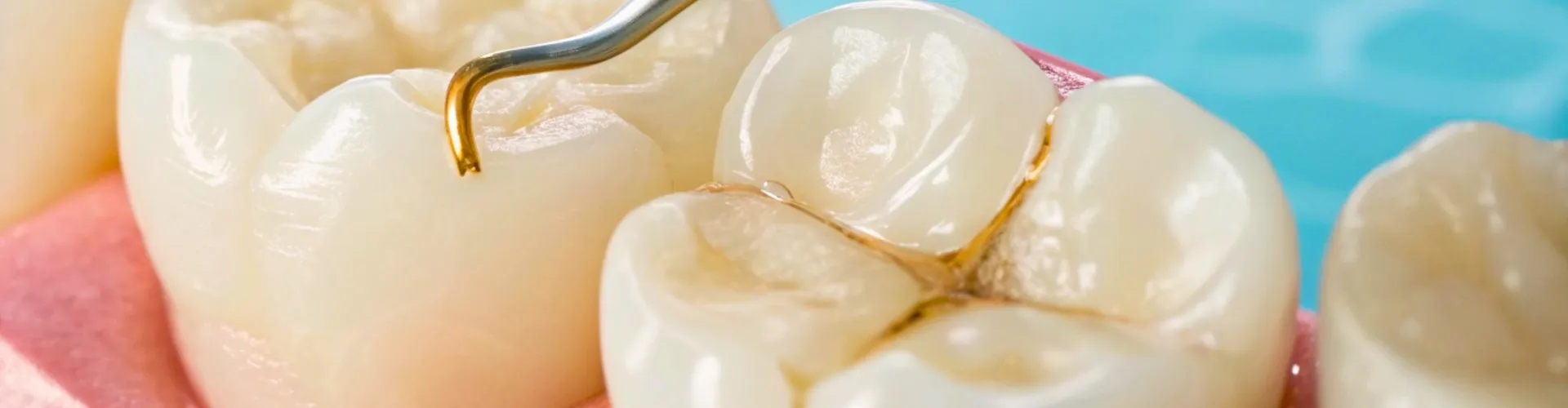
When decay damages part of a tooth, that weakened area must be removed. If it stays, bacteria continue to grow, and the decay spreads deeper.
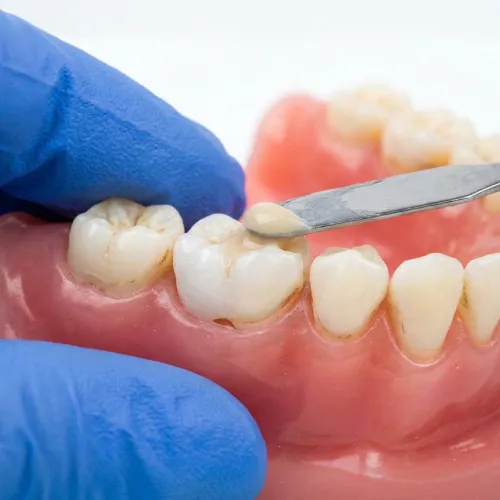
A filling replaces the damaged portion of the tooth and restores its shape, strength, and function.
Modern fillings can be made from materials like:
- Tooth colored composite
- Ceramic
- Porcelain
- Gold
- Amalgam
At Prestige Dental, we often use tooth colored fillings because they blend naturally with your smile and preserve more of your natural tooth structure.
The goal is not just to stop decay. The goal is to help your tooth function normally again so you can chew, speak, and smile comfortably.
Do dentists do unnecessary fillings?
This is one of the most common concerns patients have, and it deserves an honest answer.
The short answer is no. Ethical dentists do not recommend unnecessary treatment. But what feels unnecessary to a patient can sometimes be misunderstood.
Here is why.
Some cavities are not visible or painful yet. They may appear as small shadowy areas on X-rays or subtle texture changes on the enamel. At this stage, you might feel fine. You might see nothing.
But that does not mean nothing is happening.
Why early treatment is often recommended
Cavities do not heal on their own. Once enamel breaks down, it does not regenerate. If left untreated, decay progresses.
Treating a small cavity early means:
- Less tooth structure is removed
- The procedure is faster
- The filling is smaller
- The cost is lower
- The tooth is stronger long term
Waiting until it hurts usually means the decay is deeper. That can lead to larger fillings, crowns, or even root canal treatment.
Why trust matters
At Prestige Dental, we explain what we see and why we recommend what we do. If you ever feel unsure, ask questions. A good dentist will never rush you or dismiss your concerns.
You deserve clarity, not pressure.
How many cavities is normal?
There is no universal number that is considered normal. Some people go decades without a cavity. Others get several despite brushing twice a day.
What matters is not comparison. What matters is pattern.
Occasional cavities:
Getting a cavity once in a while can happen, even with good oral care. Life is not perfect. Diet changes. Stress increases. Routines slip.
An occasional cavity does not mean you are failing.
Frequent cavities:
If you are getting cavities regularly, it is a sign that something is off. It could be:
- Your brushing or flossing technique
- The type of toothpaste you use
- Your diet
- Dry mouth
- Acid reflux
- Clenching or grinding
- Bacterial imbalance
This is where personalized care becomes important.
Rather than just filling the same types of cavities again and again, we look for the underlying cause.
Why do I easily get cavities?
If you feel like cavities find you no matter what you do, it is frustrating. Many patients feel embarrassed or discouraged, but this is rarely about laziness or neglect.
Here are some common reasons people are more prone to cavities.
1. Genetics:
Some people naturally have softer enamel or deeper grooves in their teeth. These grooves trap food and bacteria more easily.
If your parents had many cavities, you might be more susceptible too.
2. Saliva quality:
Saliva protects your teeth. It neutralizes acid and washes away food particles.
If you have dry mouth, which can be caused by medications, dehydration, mouth breathing, or certain conditions, your teeth lose a major line of defense.
3. Diet patterns:
It is not just what you eat. It is how often.
Snacking throughout the day keeps acid levels high in your mouth. Even healthy snacks like fruit can contribute if eaten frequently without rinsing or brushing.
4. Acid exposure:
Acidic drinks, citrus fruits, wine, soda, and even flavored water can weaken enamel over time.
5. Brushing habits:
Brushing twice a day is great, but technique matters. Brushing too hard can wear down enamel. Not brushing thoroughly can leave plaque behind.
Flossing matters just as much as brushing. Cavities between teeth are common.
6. Stress and lifestyle:
Stress can affect saliva production and immune function. It can also lead to clenching, grinding, or neglecting routines.
When we look at cavities through this wider lens, it becomes easier to see that they are not about blame. They are about patterns.
What Happens If Cavities Are Ignored?
Small cavities can grow silently.
Here is what can happen if decay is not treated:
- The cavity gets deeper
- It reaches the dentin layer, which is softer
- Sensitivity begins
- Pain develops
- Infection can form
- A root canal may be needed
- The tooth can become weak
- In severe cases, the tooth may be lost
A filling is the least invasive way to stop this progression.
What a Filling Appointment Is Really Like
Many people fear fillings because of outdated experiences or stories they have heard.
Modern dentistry is much gentler than it used to be.
A typical filling appointment includes:
- Numbing the area so you feel no pain
- Removing the decayed portion of the tooth
- Cleaning the area
- Placing the filling material
- Shaping it to match your bite
- Polishing it
Most fillings are completed in one visit.
You should be able to chew, smile, and go about your day normally afterward.
How to Lower Your Risk of Cavities
Preventing cavities is not about perfection. It is about consistency and awareness.
Here are some habits that make a real difference.
Daily habits
- Brush twice a day with fluoride toothpaste
- Floss once a day
- Drink water throughout the day
- Rinse after acidic or sugary foods
Dietary awareness
- Try to limit frequent snacking
- Be mindful of acidic drinks
- Avoid sipping sugary drinks over long periods
Professional care
Regular dental visits allow us to catch changes early. Cleanings remove plaque that brushing cannot.
At Prestige Dental, we also look at your bite, enamel wear, and overall oral environment.
The Emotional Side of Dental Care
Many people carry guilt or fear into dental appointments.
They worry about being judged.
They worry about cost.
They worry about pain.
They worry about being told they need a lot of work.
You deserve care that respects your concerns.
We believe dentistry should feel like a partnership. Our job is not to lecture. Our job is to inform, support, and help you make decisions that feel right for you.
When Should You Schedule an Appointment?
You should not wait until something hurts.
Schedule a dental visit if:
- You have not had a checkup in six months
- You feel sensitivity
- You notice dark spots or rough areas
- You get frequent cavities
- You want a second opinion
- You want to be proactive
Early care saves time, money, and stress.
Your Smile Deserves Attention
Cavities and fillings are not failures. They are signals. Signals that something in your oral environment needs support.
When you understand what your teeth are telling you, you can make changes that protect them long term.
If you have questions about cavities, fillings, or your own dental health, we would love to talk with you.
Schedule an appointment with Prestige Dental today and let us help you keep your smile healthy, strong, and confident for years to come.