If you have ever woken up tired after a full night in bed, or been told you snore like you are auditioning for a role, you are not alone. Sleep apnea is one of those conditions that can hide in plain sight. It often shows up as “bad sleep,” but it can affect your energy, mood, focus, and even your long-term health.
Here is the part many people miss: sleep apnea is not just one thing. There are different types of sleep apnea, and the type matters because it shapes the best next step for diagnosis and treatment.
At Prestige Dental, we often see patients who are surprised to learn that dentistry can play a role in sleep apnea care, especially when it comes to airway-focused evaluations and oral appliance options for certain cases. If something feels off with your sleep, it is worth taking seriously.
Why sleep apnea can feel bigger than “just snoring”
Snoring can be harmless, but sleep apnea is different. It involves repeated breathing disruptions while you sleep. These interruptions can lead to drops in oxygen and frequent micro awakenings, even if you do not remember waking up.
Common signs people notice include:
- Loud snoring, especially with pauses or gasping
- Waking up with a dry mouth or headache
- Daytime sleepiness or brain fog
- Mood changes or irritability
- Trouble concentrating
- Tossing and turning, or waking up often
A quick reality check: you can be fit and still have sleep apnea. You can also be tired for many reasons. That is why identifying the type of sleep apnea is so helpful.
What are the different types of sleep apnea?
Sleep apnea is generally grouped into three main categories. Each one has a different root cause, even though the symptoms can overlap.
1) Obstructive sleep apnea (OSA)
This is the most common type of sleep apnea. With obstructive sleep apnea, your brain keeps telling your body to breathe, but air cannot flow properly because the airway narrows or collapses during sleep.
Think of it like trying to drink a thick milkshake through a straw that keeps getting pinched. The effort is there, but the flow is blocked.
Common factors that can contribute to obstructive sleep apnea include:
- A relaxed tongue and throat muscles during sleep
- Jaw position and airway shape
- Enlarged tonsils or adenoids
- Nasal congestion or chronic blockage
- Carrying extra weight around the neck and upper airway
- Alcohol or sedatives before bed
- Sleeping on your back
From a dental perspective, the position of the jaw and tongue matters. That is one reason some patients do well with a custom oral appliance when it is appropriate for their diagnosis.
2) Central sleep apnea (CSA)
Central sleep apnea is less common. It is not caused by a blocked airway. Instead, it happens when the brain does not consistently send the right signals to the muscles that control breathing.
In other words, the airway is open, but the breathing rhythm is disrupted.
Central sleep apnea is more often linked to underlying medical factors. It can show up in people with certain heart conditions, neurologic conditions, medication effects (especially opioids), or at higher altitudes. It also may appear in complex cases where sleep breathing patterns are unstable.
Important note: because central sleep apnea can point to broader medical issues, it typically requires coordination with a sleep physician or medical team for proper management.
3) Complex sleep apnea (also called treatment emergent central sleep apnea)
Complex sleep apnea is exactly what it sounds like. It is a mix. Usually, a person starts with obstructive sleep apnea, begins treatment (often with CPAP), and then central apnea events appear or become noticeable.
This does not mean treatment failed. It means the body is adjusting, and the care plan may need fine tuning.
Which type of sleep apnea is the most common?
Obstructive sleep apnea is the most common type of sleep apnea. It accounts for the majority of sleep apnea diagnoses.
That matters because it also means there are multiple well established treatment paths for obstructive sleep apnea, depending on severity and individual needs. People often assume the only option is a CPAP machine, but that is not always true.
Treatment options for obstructive sleep apnea may include:
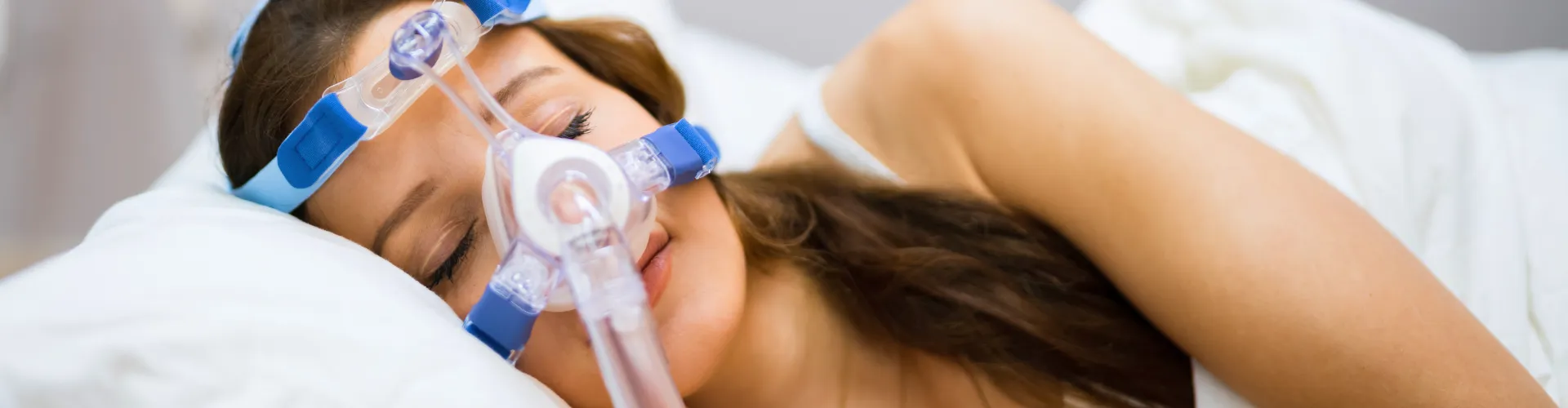
- CPAP therapy (commonly used, especially for moderate to severe OSA)
- A custom oral appliance that helps keep the airway open (often for mild to moderate OSA, or for those who cannot tolerate CPAP)
- Weight management support when weight is a contributing factor
- Positional therapy (training yourself to avoid back sleeping)
- Managing nasal obstruction and allergies
- In some cases, referral for evaluation of surgical options
If you suspect OSA, the most important first step is confirmation through a sleep evaluation. Once you know what you are dealing with, you can choose the right solution instead of guessing.
How do you know if you have obstructive sleep apnea vs central sleep apnea?
This is a common question, and the honest answer is: you cannot confirm obstructive sleep apnea vs central sleep apnea based on symptoms alone. The symptoms overlap, and both can leave you tired and unrested.
That said, there are clues that can raise suspicion.
Signs that lean more toward obstructive sleep apnea
With obstructive sleep apnea, people often report:
- Loud snoring
- Witnessed pauses in breathing followed by choking or gasping
- Mouth breathing at night
- Waking up with dry mouth
- Sleeping better on the side than on the back
If a partner says, “You stop breathing and then snort yourself awake,” that is a classic obstructive sleep apnea description.
Signs that may suggest central sleep apnea
Central sleep apnea may be more likely if:
- Snoring is minimal or not a major feature
- Breathing seems to stop without the typical struggle or gasping
- There is a history of heart failure, stroke, neurologic disease, or opioid medication use
- Sleep apnea symptoms persist despite addressing airway factors
Again, these are not diagnostic. They are simply signposts.
The only reliable way to tell
To truly know the difference between obstructive sleep apnea vs central sleep apnea, you need a sleep study. This may be an at home sleep test or an in lab study, depending on your situation and risk factors.
A sleep study can show:
- How often breathing events occur
- Whether airflow is blocked (obstructive) or the breathing signal is absent (central)
- Oxygen levels during sleep
- Sleep stages and disruption patterns in some settings
Once the type is identified, your provider can match you with the right treatment plan.
Where a dental clinic fits into sleep apnea care
You might be wondering why you are reading about types of sleep apnea on a dental website. Fair question.
Dentistry connects to sleep apnea because the mouth, jaw, tongue, and airway are part of the same system. For many patients with obstructive sleep apnea, a dentist trained in sleep related breathing disorders can help in a few meaningful ways:
We can:
- Screen for risk factors during a dental visit (airway, tongue posture, jaw structure, wear patterns from grinding)
- Discuss symptoms that point toward sleep apnea
- Coordinate referrals for a sleep study when needed
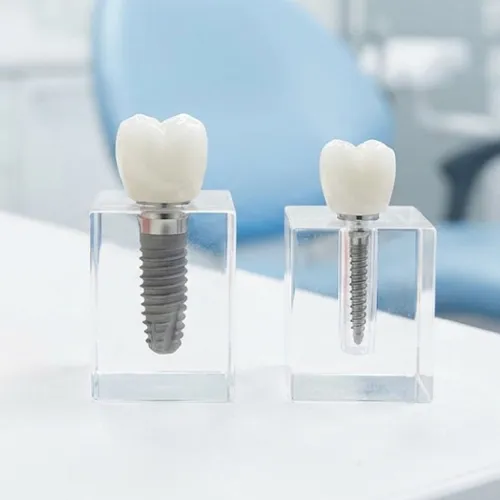
- Provide a custom oral appliance for eligible obstructive sleep apnea cases, working alongside your sleep physician
- Monitor jaw comfort and bite changes during oral appliance therapy
Oral appliances are not for every case, and they are not a replacement for a medical diagnosis. But for the right patient, they can be a practical and comfortable path forward.
A few practical next steps if this sounds like you
If you suspect sleep apnea, try not to self diagnose by scrolling at 2 a.m. and deciding you have every condition known to humanity.
Instead, keep it simple.
Start here:
- Ask yourself: Do I wake up rested most mornings?
- If you have a partner, ask what they notice about your breathing at night.
- Write down symptoms for one week, especially morning headaches, daytime sleepiness, and nighttime waking.
- Schedule a visit to talk through your risk and your options.
Schedule an appointment at Prestige Dental
If you are concerned about sleep apnea, or you want to understand whether your symptoms fit obstructive sleep apnea or another type, we can help you take the next step in a clear, practical way.
Schedule an appointment with Prestige Dental to discuss your symptoms, review risk factors, and talk about whether a sleep study referral or oral appliance therapy may be appropriate for you. Better sleep is not a luxury. It is a health issue, and it is worth your attention.