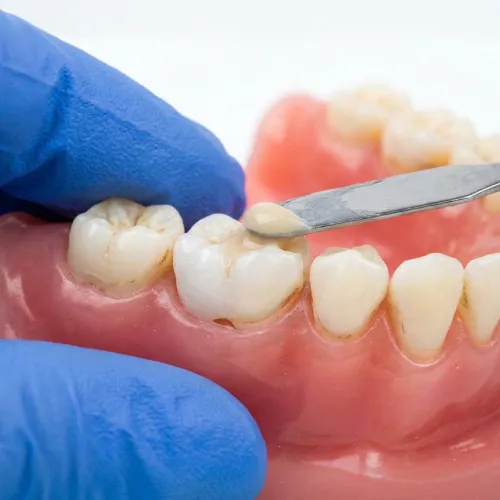
Composite resin doesn't respond to whitening agents the way natural enamel does — so the order you choose matters both chemically and financially. Whiten first, bond second, and you'll get a result that lasts. Reverse that sequence and you may end up replacing your bonding sooner than you planned. If you're also exploring other ways to enhance your smile, aesthetic dentistry options can help you plan a comprehensive approach from the start.
The Chemical Reason Your Bonding Can Fail If You Whiten Too Soon
Most people asking about whitening and bonding focus on color matching. For Kissimmee-area patients, there's a more urgent issue that doesn't get nearly enough attention: residual oxygen inhibition.
Here's what happens during whitening. Peroxide-based bleaching agents penetrate your enamel and break apart pigment molecules through oxidation. That process leaves behind oxygen molecules trapped inside the enamel structure. If you bond composite resin to that tooth before those oxygen molecules dissipate, the residual oxygen interferes with the polymerization reaction that allows the resin to harden and adhere properly.
Research published in PMC confirms that bond strength to enamel can drop by approximately 60% immediately after bleaching, with residual oxygen identified as the primary culprit — inhibiting monomer infiltration and reducing the length and number of resin tags.
In plain terms: bonding too soon after whitening doesn't just cause a color mismatch. The bond can physically fail.
The practical rule I follow in my own practice is a 7 to 14 day waiting period after whitening before any adhesive bonding procedure. A study cited by WebMD's oral health resources confirms that professional-strength bleaching agents require time for the enamel chemistry to normalize before restorative work proceeds reliably.
At-home carbamide peroxide systems (10–22%) generally need the full two-week window. In-office hydrogen peroxide treatments (35%+) act faster but also deposit more residual oxygen — so the same waiting period applies. Some research suggests a minimum of three days for lower-concentration at-home systems, but I recommend erring toward the longer end to protect the integrity of the bond.
Why Whitening After Bonding Creates a "Patch" Effect — and What It Actually Costs You
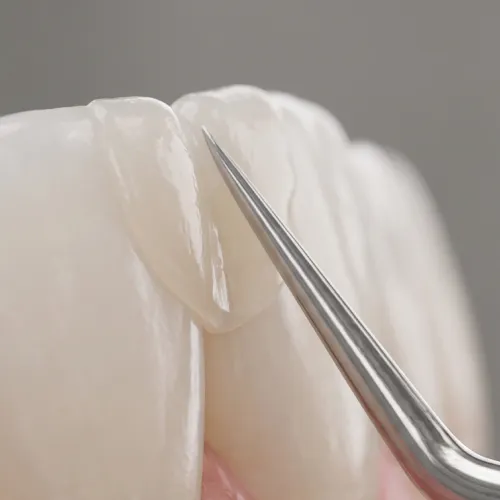
If you already have composite bonding and you're considering whitening, the core problem is straightforward: composite resin does not bleach. Hydrogen peroxide and carbamide peroxide work by oxidizing organic pigment molecules inside tooth structure. Composite resin is a synthetic polymer — it doesn't have the same organic chromophores, so the bleaching chemistry simply doesn't apply to it the same way.
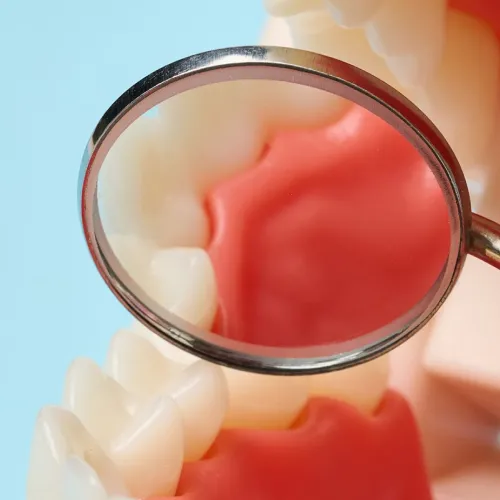
What this means visually: your natural teeth get whiter, your bonding stays the same shade, and a noticeable contrast develops at the margin — the microscopic seam where your tooth meets the resin. Whitening gel can also seep into that margin and trap debris, creating what patients often describe as a dark outline or "halo" around the bonding. The restoration that once blended seamlessly now looks like a patch.
Refreshing the appearance of old bonding doesn't always require full replacement. In some cases, polishing discs can smooth the surface and reduce superficial discoloration at the margin. But if the shade contrast is significant, the bonding will need to be replaced and shade-matched to your newly whitened teeth.
This is where the financial math becomes important. A single tooth composite bonding procedure typically runs in the hundreds of dollars, according to Healthline's dental bonding overview. That feels like a one-time cost — but if you whiten after bonding, you're likely replacing that restoration to match your brighter smile. Then whitening again in a few years means another replacement cycle.
A realistic total-cost-of-ownership comparison looks like this:
- Wrong sequence: Bond → Whiten → Replace bonding to match → Repeat
- Right sequence: Whiten → Wait → Bond to match
The upfront cost of whitening before your bonding procedure isn't an added expense — it eliminates a future one.
The Correct Sequence and What to Expect at Each Step
The clinical protocol I recommend is consistent: whiten to your target shade first, observe the mandatory waiting period, then place the composite bonding matched to your new tooth color.
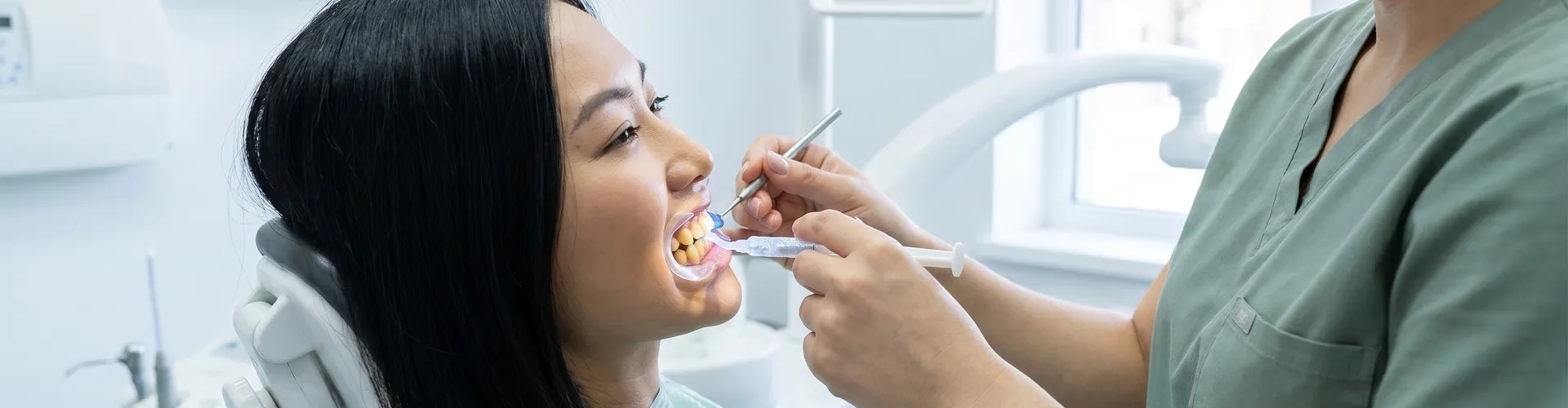
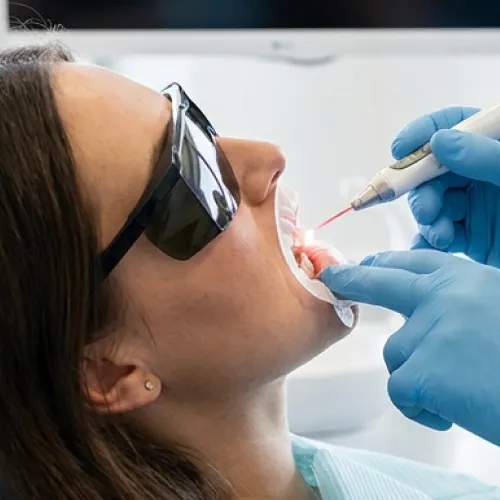
Step 1 — Whiten to your goal shade. Whether you choose in-office treatment or custom take-home trays, reach the shade you want to maintain long-term before any bonding is placed. Our pro teeth whitening service can achieve three to eight shades of improvement, which gives you a meaningful aesthetic baseline to work from, consistent with the ADA's guidance on whitening.
Step 2 — Wait 7–14 days. This is non-negotiable. The oxygen purge timeline allows enamel chemistry to stabilize and ensures the adhesive bond will achieve full strength. Use this time to confirm you're happy with the shade.
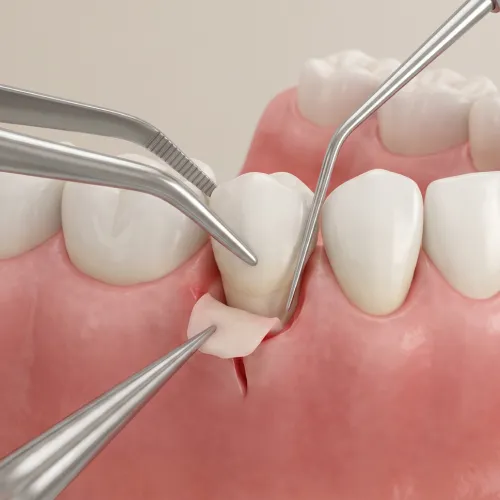
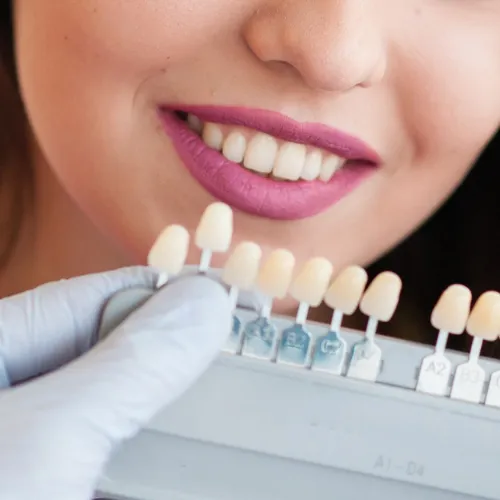
Step 3 — Place composite bonding matched to your whitened teeth. At this stage, I select a composite shade that harmonizes with your brightened enamel. Cleveland Clinic's overview of dental bonding describes how shade guides are used to match the resin to natural tooth color — the same principle applies here, but now we're matching to your post-whitening shade rather than your original one. Patients who want a more dramatic transformation may also want to consider porcelain veneers as an alternative that offers longer-lasting shade stability.
Step 4 — Maintain your shade. Touch-up whitening every 12–24 months keeps your natural teeth at the same brightness as your bonding. Because composite doesn't whiten, the goal is to maintain your enamel at the shade the bonding was matched to — not to go dramatically whiter after the fact. Staying current with your cleaning and exam appointments also helps preserve both your whitening results and the longevity of your bonding.
One practical note: if you already have bonding in place and want to whiten, come in for a consultation first. I can assess whether polishing can refresh the margin appearance, whether the shade contrast will be clinically significant, and whether replacement makes sense given the age and condition of your existing restoration.
Ready to Get the Sequence Right in Kissimmee?
If you're planning cosmetic work and want to make sure whitening and bonding are done in the right order, I'd encourage you to schedule a consultation before committing to either procedure. Getting the sequence wrong is a costly and avoidable mistake.
Prestige Dental serves patients throughout Kissimmee and the greater Orlando area. We offer both professional whitening and same-day composite bonding, so we can coordinate your full smile plan from start to finish — in the right order, with the right timing. Our family dentistry practice is here to support every member of your household with personalized care at every stage.
This article is for informational purposes only and does not constitute dental or medical advice. Individual clinical recommendations vary. Please consult a licensed dental professional for an evaluation specific to your oral health needs.