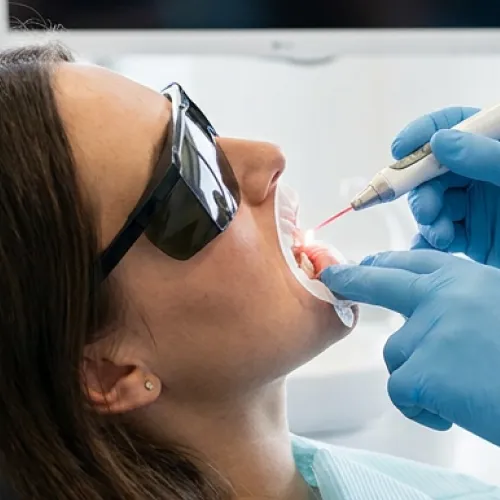
Gum Contouring Recovery: What to Eat, How Much It Hurts, and How Long It Takes
Wondering about gum contouring recovery? Learn about pain levels, healing time, and what to eat. Contact Prestige Dental today to schedule your consultation!
Read More

Emergency Dentistry
Most people do not hear the words oral surgery and think, great, that sounds easy. For a lot of patients, it sounds like a big step, and often one they hope to avoid. That is understandable. Whether it is tooth pain, swelling, jaw discomfort, or a problem that keeps coming back, the idea of surgery can feel intimidating.
But in many cases, oral surgery is not about doing something drastic. It is about solving a problem that is already affecting your health, comfort, and peace of mind.
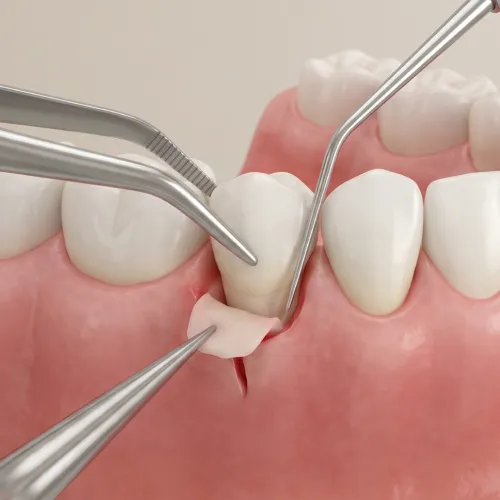
At Prestige Dental, we often see patients who have been trying to manage an issue for far too long. Maybe a tooth has been hurting on and off for months. Maybe wisdom teeth are causing crowding, pressure, or repeated irritation. Maybe there is an infection, a broken tooth, or bone loss that cannot be corrected with a simple treatment. When that happens, oral surgery may be the best way to protect your smile and prevent a bigger problem later.
The good news is that modern oral surgery is more comfortable, precise, and predictable than many people expect. With the right care team, clear communication, and a treatment plan built around your needs, the process can feel much more manageable than the fear surrounding it.
There are times when a filling, crown, or deep cleaning can solve the problem. Then there are times when the issue goes deeper, and oral surgery becomes the most effective way to protect your long term dental health.
This may be the case when:
For example, a severely cracked tooth may not be savable, especially if the damage extends below the gumline. In that case, removing the tooth may be the healthiest choice, especially if it helps prevent pain or infection from getting worse.
Wisdom teeth are another common reason patients need oral surgery. Some wisdom teeth come in normally, but many do not. They may stay trapped below the gums, push against nearby teeth, or create areas that are hard to clean. That can lead to swelling, discomfort, decay, and gum irritation.
There are also situations where oral surgery supports future treatment. If you are planning to replace a missing tooth with a dental implant, you may need a tooth extraction or bone grafting first. These procedures help create a healthier foundation for long term success.
The goal is not simply to remove a problem tooth or treat one area. The goal is to protect the rest of your mouth as well. When oral surgery is recommended at the right time, it can help preserve surrounding teeth, reduce the risk of ongoing infection, and support better oral health for years to come.
A lot of people think of oral surgery as something purely clinical. They focus on the procedure itself and not what life may feel like afterward. But one of the biggest benefits of oral surgery is what it can give back to you.
In the right situation, oral surgery can improve:
Pain is often what brings patients in first. A tooth that is infected, broken, or impacted can make it hard to eat, sleep, or concentrate. Even when the pain is not constant, it can create stress in the background of daily life. Taking care of the source of that problem can bring real relief.
Function matters too. When a damaged or missing tooth affects the way you chew, your whole mouth can feel off balance. You may avoid certain foods, chew on one side, or deal with jaw soreness because your bite is compensating. Oral surgery can be part of correcting that problem and helping your mouth work more comfortably again.
For some patients, the improvement is emotional as much as physical. Living with a persistent dental issue can wear you down. It is hard to feel relaxed when something in your mouth feels swollen, painful, loose, or unpredictable. Once the problem is treated, many patients feel a huge sense of relief, not just because the pain is gone, but because they are no longer waiting for it to get worse.
If oral surgery is part of a bigger treatment plan, such as preparing for implants or replacing a failing tooth, it can also restore confidence. Being able to smile, speak, and eat without worry affects more than your dental health. It affects how you feel day to day.
Some dental problems are obvious. Others build slowly. Many patients wait because they hope things will settle down on their own. Sometimes they do not realize that what they are experiencing could point to a deeper issue.
Here are some signs it may be time to see an oral surgery provider:
Wisdom teeth often create symptoms people dismiss at first. You may notice tenderness behind your back molars, jaw stiffness, swelling, or an odd pressure that comes and goes. These can all be signs that the teeth do not have enough room to come in properly.
Infections may also show up in ways that are easy to overlook. A bad taste in the mouth, gum swelling, sensitivity when biting down, or a bump near the gums can all point to a problem that needs attention. If left untreated, infection can spread and become much more serious.
A tooth that cannot be restored is another clear sign. If a tooth has severe damage from decay, trauma, or structural breakdown, oral surgery may be the best next step. The sooner it is evaluated, the sooner you can understand your options.
One of the biggest mistakes patients make is waiting until the discomfort becomes unbearable. It is always better to get checked sooner, even if you are not sure how serious the problem is. Early evaluation can make treatment simpler and help you avoid more pain and expense later.
If your dentist recommends oral surgery, that does not mean you are heading straight into a stressful experience. The first step is understanding what is going on and why treatment is being suggested.
At Prestige Dental, that conversation matters. You should have a clear understanding of what the problem is, why surgery is being recommended, what the procedure involves, what recovery may look like, and what your options are moving forward.
That clarity can make a big difference. Most patients feel much better once they understand the reason behind the recommendation and what the process will actually look like.
Recovery depends on the type of treatment, but many oral surgery procedures are routine and manageable with the right aftercare. Rest, healing instructions, and follow-up support all play an important role in helping things go smoothly.
Your mouth has a way of letting you know when something is not right. It may start with discomfort, swelling, pressure, or a tooth that just does not feel normal anymore. When those signs keep coming back, it is worth paying attention.
Oral surgery is sometimes the step that protects everything else. It can relieve pain, stop recurring problems, support future treatment, and help you get back to eating, speaking, and smiling with more confidence.
If you have been dealing with tooth pain, swelling, wisdom tooth problems, or a dental issue that does not seem to go away, schedule an appointment with Prestige Dental. We can evaluate what is happening, explain your options clearly, and help you take the next step with confidence.



Mon - Thur 9am-5pm
Wed Closed
Tue - Fri 9am-5pm
Sat - Sun Closed
312 W. Bass St.
Kissimmee, FL 34741
Local Dentist in Kissimmee, FL