Upfront quotes for dental implants, dentures, and mini implants tell only part of the story — ongoing maintenance, jaw anatomy, and insurance cross-coding strategies all shape what you actually pay over time. Here's what Kissimmee and Central Florida patients need to understand before choosing a tooth replacement option.
The 10-Year Cost Picture Changes Everything
Most patients compare tooth replacement options based on the initial quote alone. That single number is misleading.
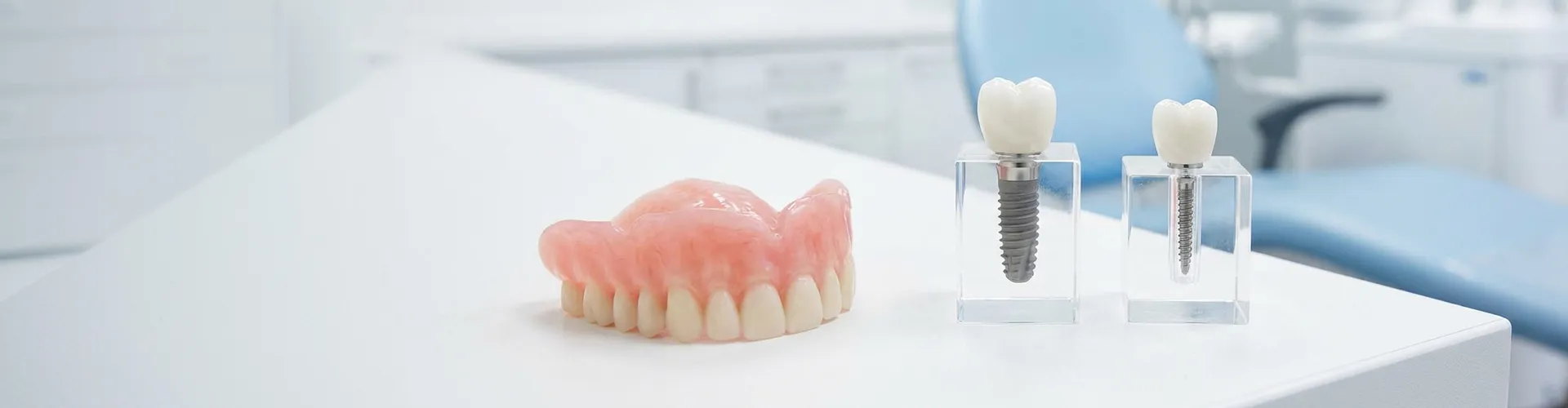
Traditional dentures require soft or hard relines roughly every two years as the jaw ridge naturally shrinks beneath them. Skip those relines and the fit deteriorates, causing sore spots, poor chewing, and accelerated bone loss. Over a decade, those mandatory adjustments accumulate — and a full denture rebuild is typically needed around years five to seven.
Mini implants carry their own ongoing maintenance: the locator O-rings and caps that attach an overdenture to the implant posts wear down with daily use and require periodic replacement. With multiple mini implants supporting a denture, those small per-implant costs multiply year after year.
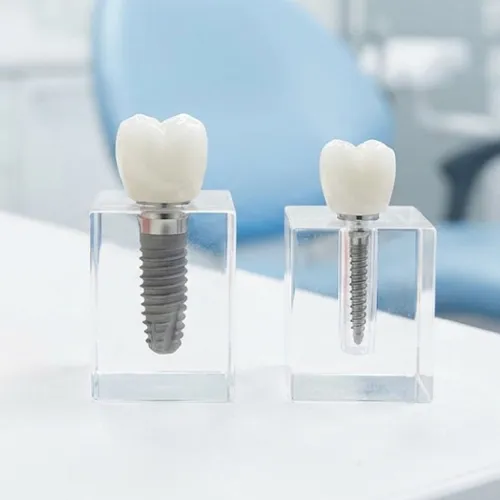
Standard dental implants with properly fitted crowns require the fewest ongoing interventions. Screw retightening and occasional crown checks are generally the extent of routine maintenance. Research published in the NIH's NCBI Bookshelf reports a 10-year implant success rate above 97%, which translates directly into fewer unexpected treatment costs over time. CareCredit's Dental Implants Cost and Procedure Guide also outlines how the full cost of implants extends beyond the initial procedure to include preparatory and follow-up care.
The practical takeaway: the option that appears least expensive upfront may demand more total spending by year ten. Ask any provider you consult to walk through a multi-year maintenance schedule — not just the day-one quote — before making a decision.
Upper Jaw vs. Lower Jaw: Why Jaw Location Affects Mini Implant Value
Mini implants attract patients because they involve a less invasive procedure and a smaller initial investment than standard implants. That value equation, however, depends heavily on where in the mouth they are placed.
The lower jaw (mandible) contains denser cortical bone. Mini implants anchored there achieve reliable stability and have a strong track record for supporting lower overdentures. For many patients, stabilizing a lower denture with mini implants is a clinically sound and cost-effective choice.
The upper jaw (maxilla) is a different environment. Maxillary bone is naturally softer and less dense. Mini implants placed there face a meaningfully higher failure rate — and a failed implant means emergency removal, healing time, possible bone grafting, and then re-treatment. What began as a lower-investment option can become the most involved path of all when those downstream costs are factored in.
A Healthline overview of titanium implants notes that certain underlying conditions — including bone density concerns — affect how well any implant integrates with the jaw. In the upper jaw, standard implants combined with a sinus lift (when needed) represent the more predictable long-term investment precisely because the anatomy demands it. If an implant fails and requires removal, that tooth extraction adds further cost and recovery time to an already complex situation.
The honest guidance: mini implants for lower denture stabilization are often excellent. Mini implants in the upper jaw deserve a much more careful conversation with your provider about failure risk before you commit.
Medical Insurance Can Offset Pre-Implant Surgical Costs
Dental insurance plans typically carry annual benefit caps, which leaves many patients believing they must cover complex preparatory procedures — sinus lifts, block bone grafts, 3D cone-beam CT imaging — entirely out of pocket.
That assumption is worth challenging.
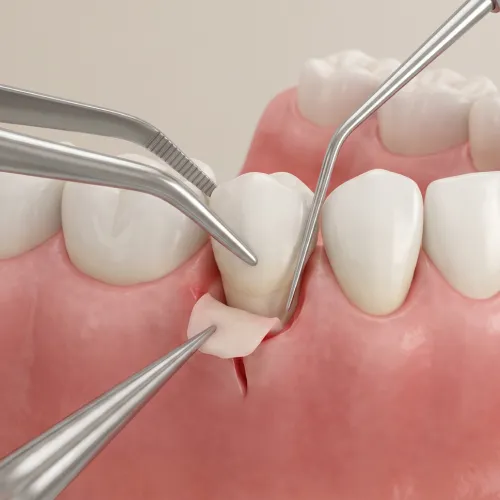
When severe bone resorption impairs a patient's ability to chew and maintain adequate nutrition, or when bone loss results from systemic trauma or documented atrophy, oral surgeons can submit claims to medical (health) insurance using CPT and ICD-10 procedure codes rather than standard dental CDT codes. Medical plans do not carry the same low annual caps as dental plans. This cross-billing approach can meaningfully reduce what a patient pays for the surgical foundation before a single implant is ever placed.
This is not a loophole — it is a legitimate billing pathway that requires proper clinical documentation. Not every case qualifies, and not every provider pursues it proactively. Patients should ask their oral surgeon or implant dentist directly whether their pre-implant workup may qualify for medical insurance submission. Conditions like gum disease gingivitis that have contributed to bone and tooth loss may be relevant to that documentation.
According to Healthline's coverage guide on Medicare Advantage and dental implants, plan details vary significantly and patients are encouraged to review their specific plan documents and contact their insurer — reinforcing that the coverage picture is rarely as simple as a single annual maximum.
Implants vs. Dentures: Comparing the Options Side by Side
Beyond cost, the functional differences between implants and dentures matter to daily quality of life.
Standard dentures are removable, require adhesive or suction to stay in place, and can shift during eating or speaking. Over time, the jawbone beneath a traditional denture resorbs because there is no implant root stimulating the bone. WebMD's guide on dentures notes that bone and gum tissue shrink during the healing period after tooth removal, which is why denture fit changes and relines become necessary.
Snap-in (implant-supported) dentures address the stability problem by anchoring the prosthesis to implant posts. A WebMD overview of snap-in dentures explains that once an implant post is placed, bone grows around it — mimicking the function of a natural tooth root and slowing bone loss.
Standard single-tooth or full-arch dental implants go further: the prosthetic crown or bridge is fixed in place, functions like a natural tooth, and requires no nightly removal. A Healthline comparison of implants and bridges puts the long-term implant success rate at around 97% over ten years, with a natural-looking appearance that holds up better over time than most alternatives.
The right choice depends on your bone density, overall health, how many teeth need replacement, and your priorities for long-term function. There is no universal answer — only the answer that fits your specific clinical situation. A tooth crown placed on an implant post is often the final step that restores full function and aesthetics for single-tooth replacement.
Schedule a Consultation at Prestige Dental in Kissimmee
Understanding the true cost of tooth replacement means looking past the upfront quote. At Prestige Dental, we work with patients across Kissimmee and Central Florida to evaluate implant candidacy, explain long-term maintenance expectations, and explore every available insurance pathway — including medical cross-billing for qualifying surgical prep. Our family dentistry team is here to guide you through every step of the process. Contact us today to schedule your consultation and get a complete picture of your options.
Medical disclaimer: This article is for informational purposes only and does not constitute dental or medical advice. Always consult a licensed dental professional for diagnosis, treatment recommendations, and cost estimates specific to your situation.