Both pinhole surgery and traditional gum grafting can successfully treat gum recession, but the right choice depends on your mouth's physical anatomy—not just your preference for a less invasive procedure. Understanding the structural limits of each technique helps you ask better questions at your next periodontal consultation. If you're already overdue for a cleaning and exam, that's often the right starting point for catching recession early.
The Vestibule Test: Why Your Lip-to-Gum Fold May Already Decide the Answer
Most conversations about pinhole surgery focus on what it avoids: no scalpel cuts, no donor site, no sutures. That's all accurate. For Kissimmee-area patients, there's a structural prerequisite that rarely gets explained.
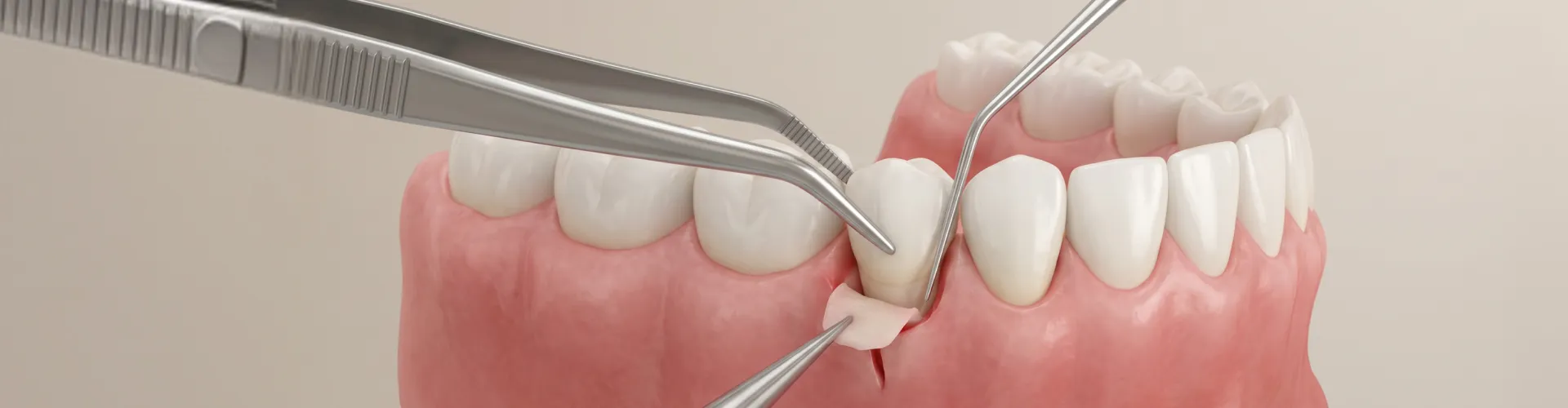
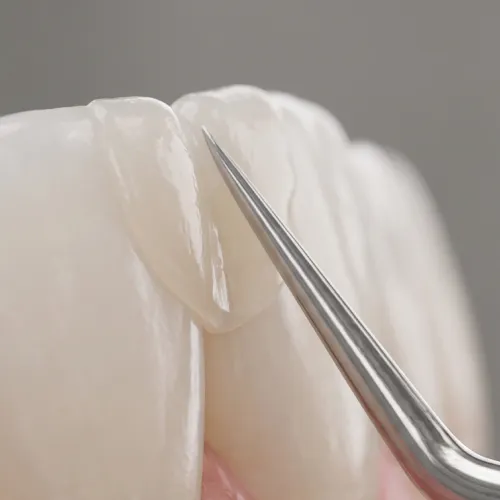
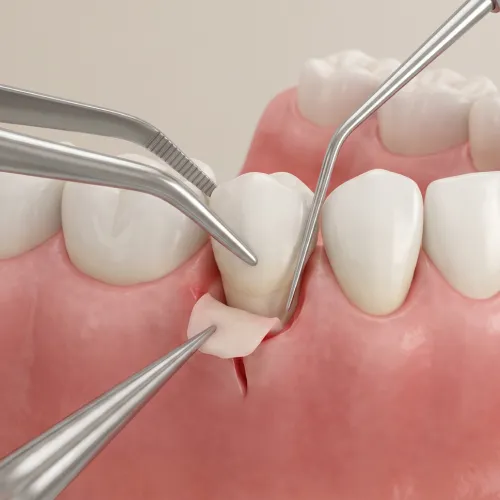
Pinhole surgery works by repositioning tissue that already exists. A small entry point is created in the gum, and specialized instruments gently loosen and slide the existing tissue upward to cover exposed roots. According to the PST Academy, collagen strips are then inserted through the pinhole to stabilize the repositioned tissue while healing occurs.
Here's the constraint: that repositioning requires vertical slack in the tissue. The vestibule—the soft fold where your gum meets the inside of your lip—must be deep enough to "donate" tissue upward without creating tension. When the vestibule is shallow, there simply isn't enough tissue to pull. No amount of technique compensates for insufficient tissue volume.
This is the primary anatomical reason a periodontist might say you're "not a candidate" for pinhole surgery. It's not a judgment—it's geometry. In these cases, a traditional connective tissue graft is the only way to physically introduce new material to the area. You can't stretch what isn't there.
Patients with naturally thin gum tissue (called a thin biotype) face a related but distinct problem. Even when there's enough tissue to reposition, the moved tissue may lack the structural density needed for long-term stability. Pinhole surgery provides coverage, but a connective tissue graft provides reinforcement—a meaningful clinical difference that affects outcomes years down the line.
Coverage vs. Reinforcement: The Quality Problem Pinhole Doesn't Solve
Root coverage percentages between pinhole and traditional grafting are remarkably similar in clinical research. A split-mouth randomized trial published on PubMed found mean recession reduction of 1.98mm for traditional grafting and 1.97mm for pinhole with collagen membrane at one-year follow-up—statistically equivalent outcomes.
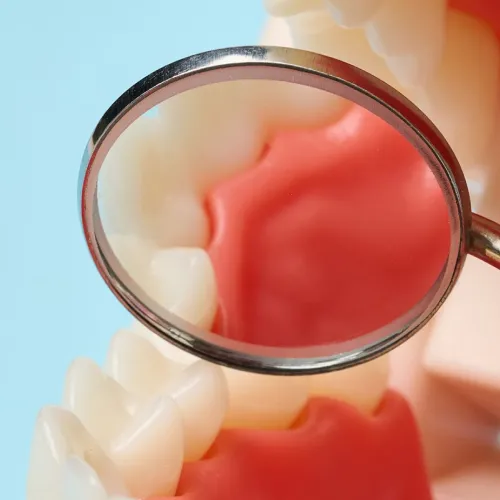
What that data doesn't capture is tissue type. Healthy gums have two zones: the attached keratinized gingiva (the firm, pale-pink tissue hugging the tooth) and the looser alveolar mucosa further from the tooth. Pinhole surgery repositions the existing tissue—including whatever looser mucosa is available. Traditional connective tissue grafting imports dense, keratinized tissue from the palate.
For patients who already have minimal keratinized tissue, pinhole coverage can be fragile. The relocated mucosa lacks the callous-like toughness needed to resist daily friction from brushing, food, and normal movement. This is why patients with thin biotypes sometimes experience recession again within two to three years after pinhole surgery—the tissue covering the root simply wasn't built for that position.
Traditional grafts address this directly. WebMD's overview of gum tissue graft surgery notes that connective tissue grafts are the most common method specifically because the harvested tissue strengthens the gum zone around the exposed root, not just covers it. When keratinized tissue quality is the primary concern, grafting offers a more durable foundation. Left untreated, advancing recession can also develop into gum disease, making early intervention all the more important.
Post-Orthodontic Recession: When Pinhole Is Only Cosmetic
Adults who had braces represent a significant portion of gum recession patients—and they face a specific problem that changes the calculus entirely.
Orthodontic treatment moves teeth through bone. When a tooth is pushed too far labially (toward the lip), it can breach the outer cortical bone plate, a condition called dehiscence. The root protrudes through bone rather than sitting inside it. Gum recession follows because there's no bony support beneath the gum tissue.
Pinhole surgery in this scenario acts like a curtain drawn over a broken wall. It can cover the exposed root surface, but the underlying structural deficiency remains. Without bone support, the repositioned tissue has no stable foundation—and recession frequently returns.
Research published in PMC confirms that pinhole surgery is most predictable for Miller Class I and II recession defects—cases where bone support is still intact. More advanced defects, including those involving bone loss from orthodontic dehiscence, have lower predictability.
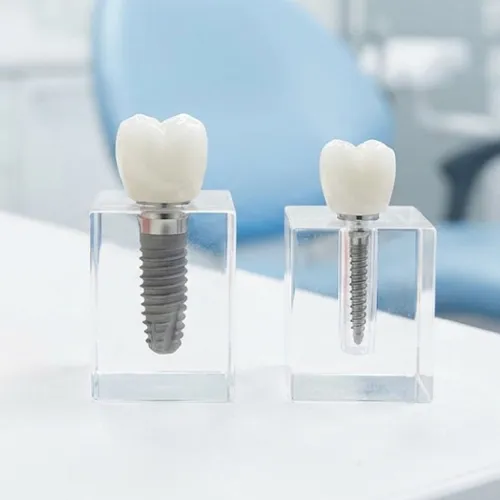
Traditional grafting can sometimes be combined with bone augmentation techniques to address the foundational deficit. This makes it the more appropriate option for post-orthodontic patients whose recession is rooted in bone architecture rather than soft tissue position alone. In severe cases where a tooth cannot be saved, a tooth extraction followed by a dental implant may ultimately be the most structurally sound path forward.
Where Pinhole Surgery Genuinely Excels
None of the above diminishes what pinhole surgery does exceptionally well. For patients with adequate vestibule depth, sufficient keratinized tissue, and Class I or II recession without bone defects, it offers a compelling clinical profile.
A long-term retrospective case series on PubMed followed pinhole surgery patients for an average of 14.5 years and found 77.9% complete root coverage—demonstrating that results hold meaningfully over time when patient selection is appropriate. Recovery is faster, there's no second surgical site, and postoperative discomfort is significantly reduced compared to traditional grafting.
The procedure also scales efficiently. Multiple recession sites can often be treated in a single appointment, which matters for patients with generalized recession across several teeth. This efficiency is one of pinhole surgery's most practical advantages for patients facing widespread recession.
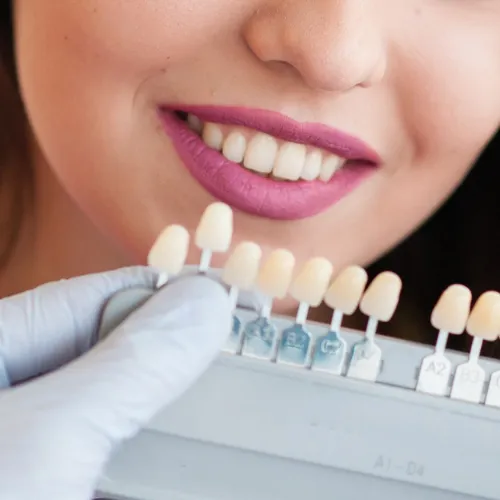
The takeaway: pinhole surgery isn't universally superior or inferior to grafting. It's the right tool for a specific anatomical profile—and identifying that profile is the real clinical skill. For patients who also want to address the cosmetic side of their smile after recession treatment, options like porcelain veneers can help restore a uniform, confident appearance once the underlying gum health is secured.
Ready to Find Out Which Option Fits Your Anatomy?
If you're dealing with gum recession in the Kissimmee area, the most important next step is a thorough clinical evaluation—not a general preference for one technique over another. At Prestige Dental, we offer comprehensive family dentistry services to help patients in Kissimmee and the greater Central Florida region understand exactly what their gum tissue anatomy requires, so treatment decisions are grounded in what will actually last.
Schedule a consultation today and get a clear answer for your specific situation.
Medical disclaimer: This article is for informational purposes only and does not constitute professional dental or medical advice. Always consult a licensed dental professional for diagnosis and personalized treatment recommendations.