Dental veneers are thin, custom-made shells bonded to the front of your teeth to correct discoloration, chips, and minor alignment issues. Choosing the right veneer type — porcelain, no-prep, or composite — depends on your enamel, the severity of your concerns, and how long you want the result to last.
What Most Veneer Patients Never Hear Upfront
Most people researching veneers focus on the result. What's less discussed is the long-term commitment veneers represent.
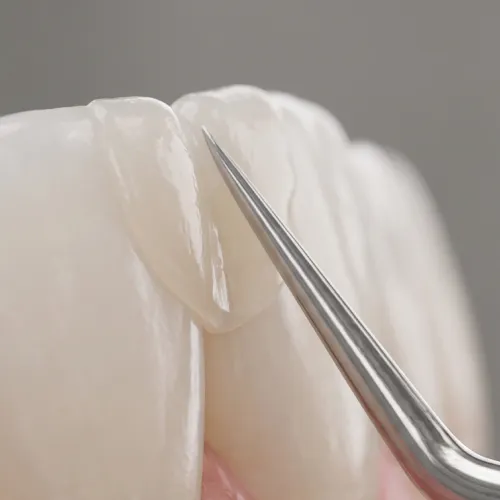
Because traditional veneers require enamel removal, they are irreversible. WebMD notes that the bonding process permanently alters your tooth surface, which means you will need replacement veneers for the rest of your life. Porcelain veneers last roughly 10 to 15 years on average, with some lasting up to 20 years under ideal conditions, according to a Healthline overview of veneers.
Here's what that means clinically. A patient committing to a full set of eight porcelain veneers is signing up for at least one or two replacement cycles over their lifetime — and there's a real possibility that weakened underlying teeth eventually require crowns instead of veneers.
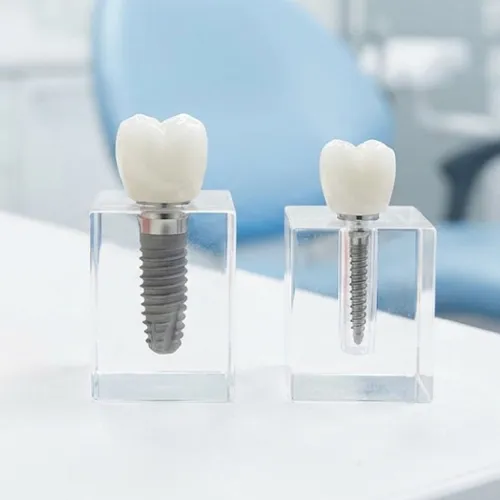
Compare that to a full-arch implant solution. Implants are designed to last 15 or more years with high success rates. Research published in PMC on implant treatment outcomes consistently shows strong long-term durability for implant-supported restorations compared with prosthetic alternatives that require repeated replacement cycles.
The takeaway: if you're considering veneers for most or all of your visible teeth, factor in the long-term commitment before deciding. Veneers are an excellent solution for the right patient — but they're not the right answer for every smile.
When Veneers Are the Right Restorative Choice
Veneers are most often discussed as a purely cosmetic upgrade. The reality is more nuanced — patients with structural damage caused by bruxism (grinding), acid reflux erosion, or dental trauma may be strong candidates for veneers as a restorative intervention, not just an aesthetic one.
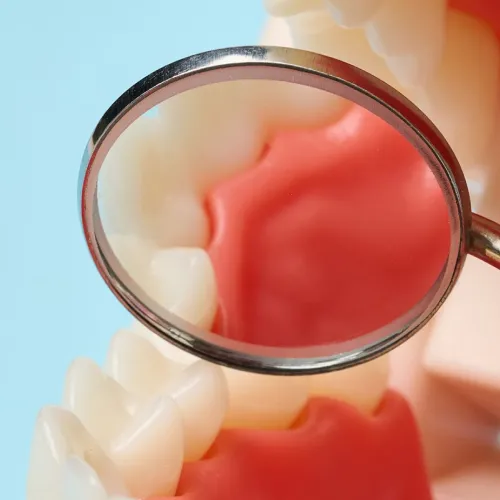
The distinction matters clinically. A veneer placed for cosmetic preference is a different conversation than a veneer placed to protect compromised enamel and restore function. Documentation through intraoral photographs showing enamel thinning, bite-alignment X-rays, and clinical notes describing structural compromise help frame the case accurately.
This isn't about reframing cosmetic work — it's about accurately representing a clinical situation where a veneer is genuinely the appropriate restorative intervention versus where another option may serve the patient better.
Planning a Full-Smile Transformation
For patients considering a comprehensive smile makeover, sequencing matters as much as material choice. The genuinely durable option upfront isn't always the most invasive — conventional dentures can compromise quality of life and accelerate bone loss over time. The smarter question is: what's the most durable, high-quality path for your specific situation?
A practical phased plan addresses the most structurally compromised teeth first and establishes a solid foundation before moving to fully aesthetic work. Year one focuses on the underlying issues. Year two might complete one arch with dental implants or high-quality fixed restorations. Year three finishes the second arch and the visible aesthetic layer.
This approach isn't a shortcut — it's a deliberate clinical structure that delivers a durable, high-quality outcome on a timeline that protects long-term oral health.
Choosing the Right Veneer Type for Your Situation
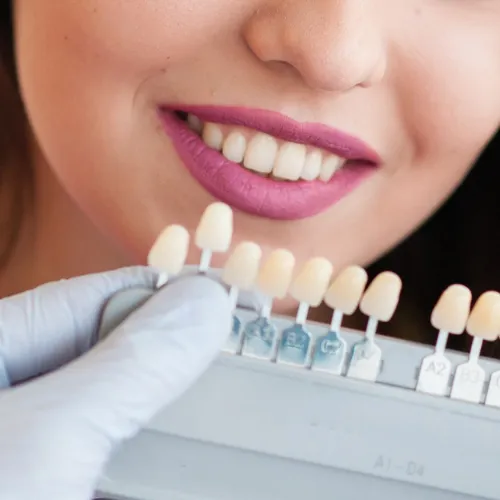
Once you've worked through the clinical picture, the material choice matters too. Healthline's comparison of veneers and Lumineers breaks down the key tradeoffs clearly: traditional porcelain veneers offer better stain resistance and are well-suited to severely discolored or damaged teeth, but require enamel removal and multiple visits. No-prep veneers like Lumineers skip most of the preparation but don't perform as well on heavily stained teeth and may need more frequent replacement.
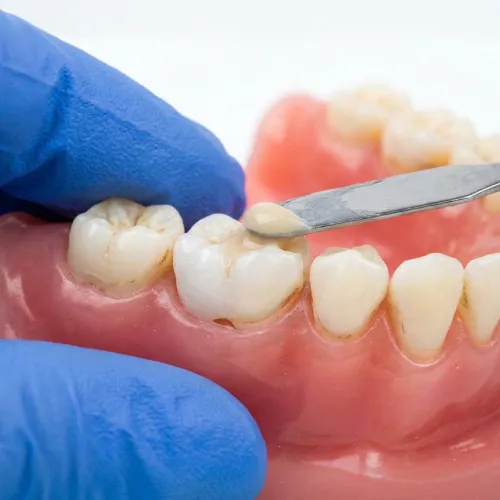
Composite veneers sit in the middle — often completed in a single visit, and less invasive than porcelain. They're a reasonable starting point for patients with minor cosmetic concerns or those not ready to commit to an irreversible procedure.
The right choice depends on the severity of your dental concerns and whether you're treating one tooth or planning a full-smile transformation. A consultation with a qualified cosmetic dentist is the only way to get a recommendation that accounts for your specific tooth structure, bite, and goals. Patients who also have alignment concerns may want to ask about Invisalign as part of a comprehensive smile plan before committing to veneers.
Ready to Explore Your Options in Kissimmee?
Understanding candidacy, materials, and long-term durability changes how you approach the veneer conversation. Prestige Dental serves patients throughout Kissimmee and Central Florida with personalized treatment planning that accounts for your timeline and your long-term oral health. Schedule a cleaning and exam to get clear answers before making any commitment.
Medical disclaimer: This article is for informational purposes only and does not constitute dental or medical advice. Always consult a licensed dental professional for diagnosis and treatment recommendations specific to your situation.